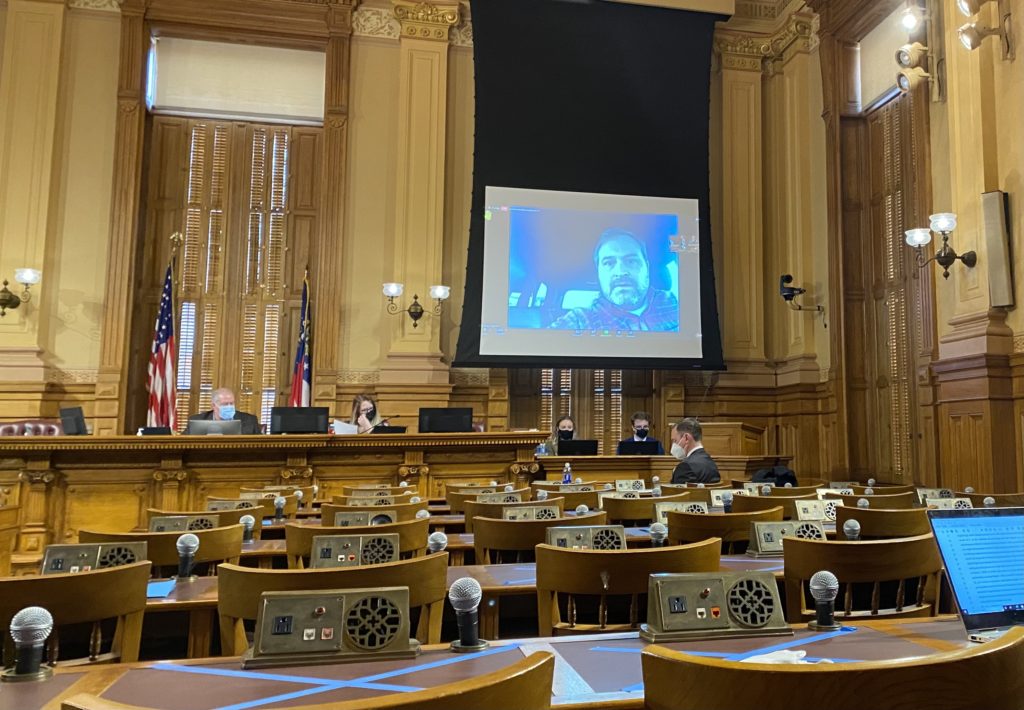
HB 120 bill presentation, House Higher Education Committee, Room 341, GA Capitol. Photo: DIS
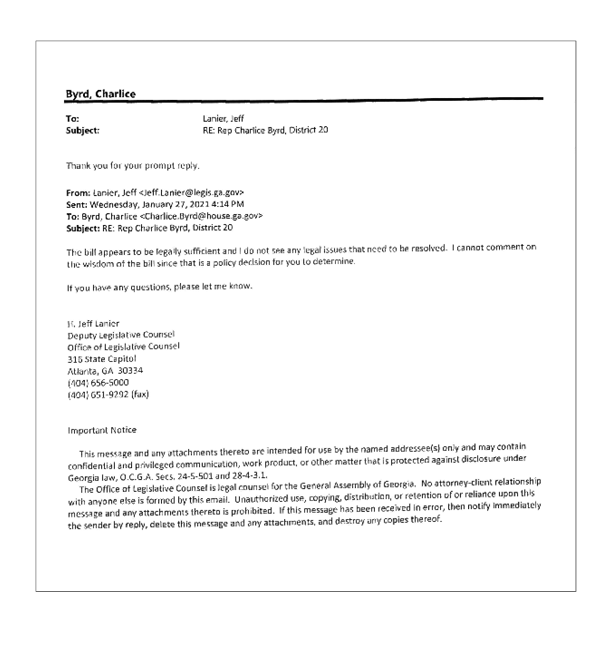
The original bill was amended with a committee substitute and presented. I was told there was no sub-committee hearing.
While I began asking at 8:15 AM, the Chairman and his staff refused to give me a copy of the committee sub. I was finally able to obtain one about (somewhere around 12:15-ish, during a hearing break) 15 minutes before I was called to testify only because I asked someone else to request a copy from staff. Even after that person was handed a copy, I was told I couldn’t have one because “we just gave out our last copy…” There is more to this story.
Rep Kasey Carpenter was permitted to present his bill to the committee from his parked car somewhere between Georgia and Oklahoma. I thought I heard him say he was there for ‘flowers’ for his restaurant – but later realize he said “flour.”
________________
Transcript from audio of House livestream video by Rev.com
Entire hearing on video here.
As of tonight, the latest version of the bill is not yet online at the general assembly website.
_______
Chairman Chuck Martin
HB120 by substitute. Um, LC490393S.
Rep Kasey Carpenter
Thank you Chairman and committee. Uh… you ready?
Chairman Chuck Martin
Hang on, you’re not recogni- hang on!
Carpenter
Wo! When I’m ready to go Daddy I’m ready to go!
(silence)
Chairman
All right. Just le- just let me settle every, everybody uh in. That was the 30 second warning. Okay we have HB120 LC490393S. Representative Carpenter.
Carpenter
Thank you Chairman. I wanna start off by thanking the committee by putting up with me while I’m halfway across the uh, the country, headed over with some uh, flour for my restaurant. Um, you know, I, I also wanna address this bill. This is not a bill about immigration, this is not a policy issue at the state level that we can address so, if there are some concerns from the members about immigration policy I would suggest that uh, contacting their uh US representatives and their senators on those matters. For this bill is about allowing Georgia taxpayers to pay a taxpayer rate at certain colleges and universities in the state [crosstalk 00:01:13].
So I’m gonna uh, I’m gonna go through this sub real quick and then of course uh, go through um, the policy piece of it and then the personal piece of it. Are, are you guys hearing me okay?
Chairman
Carry on.
Carpenter
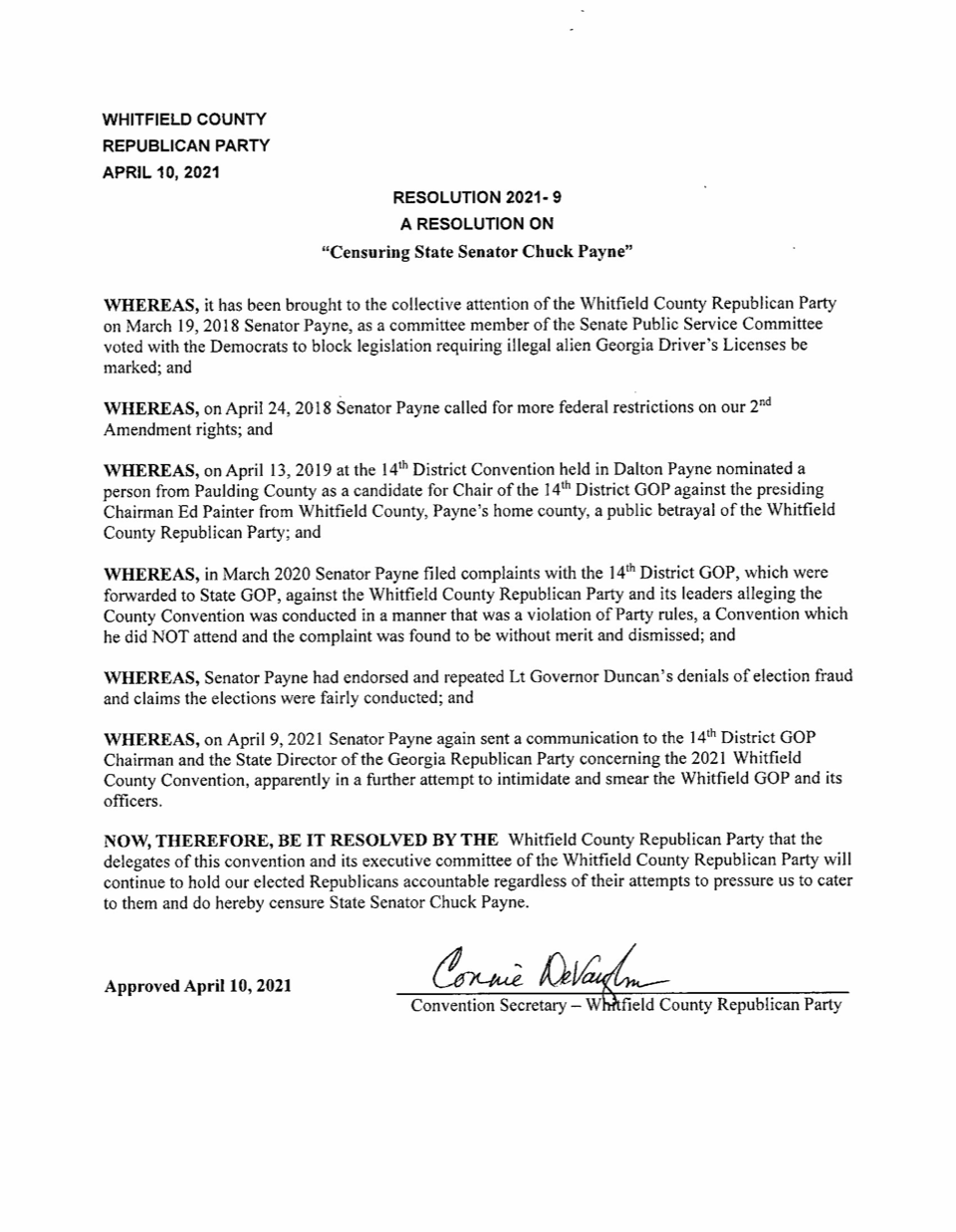
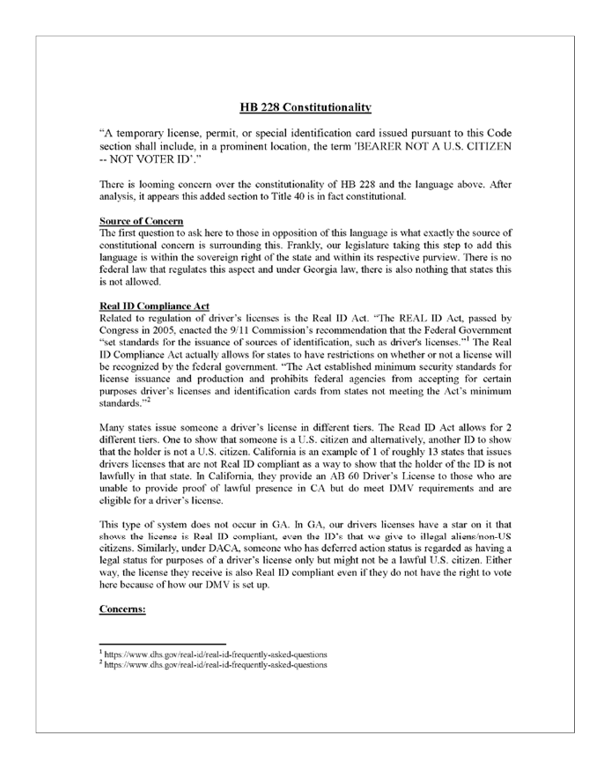
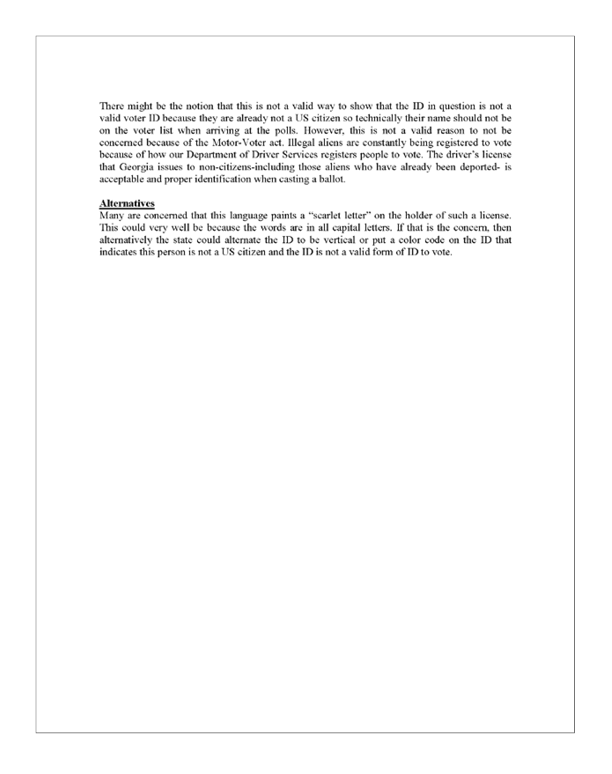
Thank you. All right, so what this bill does, is it, it, it basically allows DACA students that are in Georgia, they graduated from a Georgia high school, to attend certain colleges and universities in the, in the college system, at an in-state tuition rate. There are some limitations that are outlaw- outlined in the bill. And the first piece is the graduation diploma or [GED 00:01:51] piece. The second piece is they have to have been in the state of Georgia since 2013. The reason for this is this bill does not… present a welcome mat to the State of Georgia for DACA recipients all over the United States to come to Georgia so they can get in-state tuition rates.
We wanted to make sure that everybody understood this bill is about the 20,640 DACA recipients that are currently in the State of Georgia. There’s also a cap on it. It caps it at the age of 30. Uh, the reason for that is one budgetary; I think, uh, 76% of DACA recipients fall under that 30, um, 30 age range. So there’s the budgetary concern but also, the idea that individuals that are over 30 typically do not try to pursue higher education opportunities.
There is also a piece in there that does not allow them to attend research universities within the state. So currently, the current research universities are Georgia, Georgia State, Georgia Tech and Augusta (?) University. The initial reason for this was budgetary because we fund those schools at much, much higher rate. Uh, $11,000 a student versus roughly $5,000 a student at all the other colleges, state colleges and universities in the system.
So it was a budgetary piece, but it also is a piece that uh, you know, there’s a conversation about are these individuals gonna be taking other Georgian seats at colleges. And it is our desire that that not be the case of this bill. This bill would simply allow certain colleges and universities to have capacity to… to offer that capacity to Georgia taxpayers at a taxpayer rate. And the conversation can be had. We allow individuals from other states, border state waivers all around the State of Georgia, from four or five different states, to pay these in-state tuition rates because there is capacity. And we know that the in-state rate that they’re, they’re charging, obviously has to be less, I mean more than the variable rate of educating that kid.
So um, there’s been plenty of analogies on this matter, but basically if I’ve got a empty seat at, in a college classroom, it costs me $4,000 to educate the kid and um, they’re paying five. So there’s an added bonus there. And in, in the financial world we would call that throughput per constraint. So we’re having more throughput by having kids in that chair than just not. And so this would not, at the end of the day, retract from these colleges or universities but make them more vibrant. Um, we have 21 states in the nation that have this bill already, or something like it, including republican states of Texas, Oklahoma, Florida and Kansas.
I actually see this as an uh seven year payback period for the State of Georgia, which I think is a great return on investment. Currently DACA recipients pay upwards of 61 million dollars in state and local taxes. With a college education, we know that high- they are higher earners, and, and when doing that that would probably bring another 30 million dollars worth of revenue to the state coffers on a annual basis.
Of course there is a fiscal note on this bill. There’s a lot of confusions about that fiscal note. Uh, the one piece I think’s a good piece is the uh, is there’s a lot of unknowns, there’s some uncertainty. But the one piece that was good was the, uh, current DACA kids, there’s about 742 kids that are already attending universities in the state, so there would be, you know, a revenue loss there of about 4.5 million dollars. And I actually doing some extrapolation figured… we would probably see an increase of 9,000 kids into the system, uh, statewide. If you take the average, uh, take that 76% that are under 30 and then take the average number of kids that uh, typically attend universities and colleges out after high school, so I’m assuming roughly about 9,000 kids at $5,000 a pop. So we’re talking 45 million dollars. Plus the four million dollars loss of revenue current students are paying. So you’re talking about a 50 million dollar deal that would add 20 million dollars in reoccurring revenue.
So um, figure four years at college, 200 million dollars, figure 20 uh, 20 to 30 million dollars, uh, in increased revenue for the state, so we’re looking at about a seven year payback which is 12 to 15 per cent, which I think’s fantastic.
So um, I’ll be glad to answer any questions on this bill ’cause I’m sure there’s a lot of uh questions. And I would like to thank, I know that um, DA King is there to speak today and I would like to thank him. I’ve received a lot of emails about this bill and there’s been some concern that it wasn’t fine-tuned enough for the DACA recipients, so we made sure to insert that language for this bill. Because that’s never been our intent, was to open this up and open the floodgates of uh, uh, on this issue. It’s literally to take care of the Georgians that uh, that, that we’ve been educating for the whole time.
Chairman
Thank, thank you very much Representative Carpenter. I, I see no questions at this time so we’re gonna um, go down to uh, um… Oh wa- I do have a question actually virtually um, [inaudible 00:07:09]
Kausche.
Thank you Mr Chairman. And I just wanna uh, tell my good friend KC Carpenter thank you so much for bringing this very important bill. My question for you is which I believe uh, we talked about before and we had a similar bill, put a similar bill last session, which um, which then we couldn’t work on any more because of Covid. Uh, this is a very important bill, and isn’t it true that it will address some, or could address some of the workforce issues we’ve seen here in Georgia. I remember clearly that the uh um, state economist uh, in his presentation during the appropriations meeting said that, Georgia will need more workers. And isn’t it also true that with the Docker students, we have- would have a highly motivated workforce that actually intends to stay in Georgia. So that the return on investment we get, we get out of the students would be uh, very significant for the state, and we could close some of our workforce gaps.
Thank you.
Carpenter
Yeah, I don’t think there’s any question about this. This a huge workforce development issue, especially in Whitfield County. Um, we have upwards of 6,000 individuals um, Docker individuals, so uh, I don’t know if you’ve ever seen the headlines but they also say that uh, Whitfield County has the lowest college, uh, rates in the nation. Uh, so they cost, I guess the best way to describe it’s we’re the dumbest county in the United States as far as college. Uh, I wouldn’t say that but you know, the numbers, the numbers do point to that as far as individuals with a bachelors degree. So this would be an immediate impact especially on my community, with educating these folks because at the end of the day employers need educated individuals, and we’ve got a pocket of individuals here that, that want to be in Georgia. The federal government’s saying they can be in Georgia, so let’s educate them so they can be higher earner and pay higher taxes. Um, to me that’s really republican. So um, but I’m glad you’re agreeing with me on it.
Rep, representative Holland.
Thank you Mr Chairman. Uh, thank you, uh, Representative for bringing this bill. As somebody who uh, works in the business community I think this is a fantastic opportunity to retain some of our best and brightest in the State of Georgia and, and retain them as great talent for future jobs.
Um, I did have a question, in my first glance at the bill I saw that, there is an age limit as to how, as to when people can take advantage of um, the in-state tuition. I, I come from a family of people where not everyone took a linear course through college and some folks got their degrees, um, beyond the age of 22, 23 years old. And so I’m just curious to what the reason, whether that was a fiscal consideration or something else to, to limit the ages of those who could take advantage.
Carpenter
Yeah, I, I think a lot of it was fiscal. We heard a lot, you know, you heard Stacey, Representative Evans today talk about hOPE, that it shuts it down at 28. So we, we looked at that number and said, let’s give ’em two more years because of extenuating circumstances. But I think studies’ll show that after the age of 30, most individuals, you got kids, it gets harder and harder so, you know, why not go ahead and eliminate that subset of folks and keep those budgetary constraints in.
Representative Park.
Thank you Mr Chairman. Thank you Representative Carpenter. Um, I’m I, I hope you are uh, being safe while you’re out there. Um, so, given the economic benefits that this would have um uh, particularly the, the good return on investment uh, for, for Georgia taxpayers, uh, could you explain or, or do you have any concerns whether or not that return on investment would, would remain if we removed, uh the requirement um, that excludes University System of Georgia’s, uh, research universities. Um, and would you also be able to share why there’s the additional requirement of prohibiting, um, otherwise qualified students, Georgia taxpayers, um who may fall into the category of non-immigrant alien in the meaning of Aid USC section 1101.
Carpenter
Yeah, thank you very much. So uh, the first piece is those uh currently [crosstalk 00:11:17]…
Chairman
Hello, hang on. Hang on.
We’re, we’re gonna, we’re gonna, um I’m gonna help you with the first portion of that. Um th- the reason the university system… um, one of the reasons the university system is in there and, and um, I will uh sound this out on, on behalf of uh Representative Carpenter, he and I have spoken before is, there’s constitutional issues in Georgia about public benefits, uh relative to uh, w- we use the term here lawful, people that are lawfully present, uh Representative Park. So at, at, at this point the university already has a policy that does not allow, uh, individuals that are not law, that do not have a lawful presence. It, it mends to certain, um, units of the university system. So as a matter of fact… there’s not access by university rule for constitutional reasons that would, would not allow those individuals to be admitted to the school, so going to uh, uh tuition uh of a different kind it a moot point, uh, relative to the uh, uh, research universities.
Uh, and, and there there’s been some suggestion uh about components in the university that don’t, uh, fall in so, you know, as we perfect the bill we may look, uh, to the university rules and codify that. But that is the reason, that is another reason to uh, exclude research universities because the University of Georgia system rules does not allow uh, individuals without lawful presence admittance, uh, at this time. And, and Representative Carpenter, I’m gonna come to you but I’m going to… I, I’m not sure this is exactly her lane but if, if um, the Attorney from the university Miss [Bowen 00:13:06], are you, you’re there? I, I don’t think this is your specific area of expertise but, did I state that correctly from conversations with the university? Miss Bowen?
Bowen
Chair- Chairman Martin, I have to apologize. I was um… because this isn’t my area, I was multi-tasking and looking into some matters that were just raised on [Howstel One 00:13:30]. Um, if you wouldn’t mind restating I’d be happy to, to give it a shot.
Chairman
Yeah, yes ma’am and, and, then t- to be honest, I know this is not your specific uh area, university. But, but the question was, you know, if, if this is a good return on investment why not allow access to research universities. And I mentioned in, in, in conversation there’s a uni- university uh policy, a rule if you will, that uh deals with admittance to, um, uh non… um, I’m gonna say this, individuals without a lawful presence. You already have a rule that doesn’t, that, that won’t allow that, uh people to be admitted to, to certain, uh, units in the university, um, because of uh, constitutional issues around public benefit. Am I correct in saying that?
Bowen
Yes sir, that is my understanding of it. One of our institutions has denied, um, admission to certain current Georgia residents who meet that lawful citizenship requirement. Um, then there is a benefits issue that, um, was raised by the Attorney General’s office which is a basis for a board policy.
So, y- uh again, going back to- um, I’m going to go to Representative Carpenter of that but Representative Park, that, if there’s a policy discussion we want to do, but that’s the reason that’s included not because that, that is already um… th- those individuals are not by board policy admitted now. And, and then Representative Carpenter, the last part of that question for you.
Carpenter
Yeah and so- Well, I, I, I’ll continue on a little bit of that. So a little bit of that is, is based on the capacity of availability, right? So that ar- argument really hinges around the, is there capacity or not. The- if there’s not capacity then, then there’s, there’s not a public benefit but if there is capacity then there is a public benefit. So I think that’s where the, the terminology came through on that court case, uh, with uh, Attorney General Carr.
And then as far as the uh, the, th- the exclusion on the uh, bear with me, get the line correct… exclusion on line 33, is basically a find of [crosstalk 00:15:30] just a couple of subsets of individuals. So people that are here on a student visa, with full intention of moving back to France or whatever country or India or whatever country they came, they’ve come from, just to get a education in, in Georgia. We don’t want them to allow pay for the in-state rate because one, they’re not Georgia taxpayers but two, they’re, they’res coming here to get their education and go back home. And this is, this about allowing Georgians to pay a taxpayer rate and stay in Georgia so they- ’cause that’s where they wanna be.
I mean, they’re Georgia fans… uh… they’re Falcons fans, they’re, they go to church with us. I mean these are, these are people that wanna stay here. So that’s the impor- the importance of that piece, is to say look, there’s no reason for us to be giving these other individuals uh, the in-state rate. And then there’s also a, a, you know, a small subset of folks like ambassadors childrens et cetera.
Chairman
Thank you, uh, Representative Carpenter. And thank you uh, Representative Park. Uh… um… [Rep Clark ? 00:16:29].
Committee member Jasmine Clark (?)
Uh, thank you Mr Chair. Um, uh, to my friend Mr Carpenter, thank you so much for bringing this bill. I love this bill. Um, I do just have one uh, question just to clarify. You, you mentioned it when you introduced the bill, uh, the January 1st 2013 residency requirement. That’s a very, very strindent, stringent um, residency requirement, um having maintained [inaudible 00:16:58] for eight years, as of this year. Um, a, a previous version of the bill, um, said four years. Is there any significance to this particular date? Or this particular amount of time?
Carpenter
Yeah, so, so that to me, th- the particular, uh the date’s really important because that’s when the, that’s when the initial, uh, run of individuals receiving DACA, that’s when it stopped. Uh, th- the, the, December 31st of 2012. That’s when the initial application process stopped. Now you’ve had subsequent application processes but most, I think those have all been renewals. So what we’re saying is, these are kids that have been in Georgia the whole time. These are kids that have gone through our K12 system, uh graduated from our high schools. Um, and so that was the importance of that piece. I think a lot of people have heartburn, uh, being a magnet for people coming from other, other states to come to Georgia, and what this bill does is it says, “Look, we’re gonna take your Georgians, uh, Georgians first.” Um…
So, that, that was the point of the date. I agree it’s a long time but I think it’s important to- for folks that, you know, may have a little heartburn with this bill to understand this is, this is about taking care of the ones, the children that have been here the whole time.
(silence)
Chairman
Don’t see any further questions. Have you anything virtually? We’re um… thank you Represent-…
Chairman
Representative Kausche, y- you have something further?
Kausche
–>No, just, thank you Mr Chairman. Just a follow up question on what Representative Clark said. If we say um, 2013, uh and would we see a need to update the bill regularly so that we keep at least the eight year requirement and not all of a sudden expand it to ten years? Eight, nine, ten, ten, nine, ten years?
Chairman
The, the way I heard the gentleman say is he picked that date because that was the ori- original date for the original, um, [inaudible 00:19:00] action program. So, that date itself remains static, um, we can talk about that as we uh, if the lady will allow it, we’ll talk about that as we get into the substance of the bill, um, after this, this initial hearing. But I, I think he said he picked that date, that’s a static date, that’s not gonna move, it wasn’t necessarily eigh- that it needs to be eight years from, from every year. But, that was a point in time that, that uh, um, a policy was made into federal [leveral 00:19:27] that, that created a, a group of individuals to which um, um, or to him the um, the offers trying to address the bill.
Uh, Representative the Secretary of the Committee, Representative [Bentley] 00:19:39].
Rep Bentley
Thank you Mr Chairman, I just basically wanted to let Representative Carpenter know I thank, thank him so much for his work on this bill, and I look forward to voting for it when it comes up for vote uh, sometime soon. And also to make sure that you knew that I was on the call, although I was on mute earlier to a roll call. Thank you.
Chairman
Yes ma’am we had y- we had you at the roll call.
Um, okay we’ll, we’re gonna move on now to the, the hearing, uh portion of this. Um… we- we’re at uh, 11:57. Clearly we’re not gonna make it out by noon as the Chair had intended. Uh, I say that fully in, in jest. Of course we’re not. But um, i- if we could we’ll move along here. I’m gonna go, uh, down the list in the order of people signed up, um, um here. I have uh-
End of bill presentation and member questions.
The public testimony begins around 2:51:49 on the House livestream archive here.